Rust's New Frontier, AI Gateways, and Operational Realities: This Week's Developer Pulse
Lux: Can It Really Replace Redis?
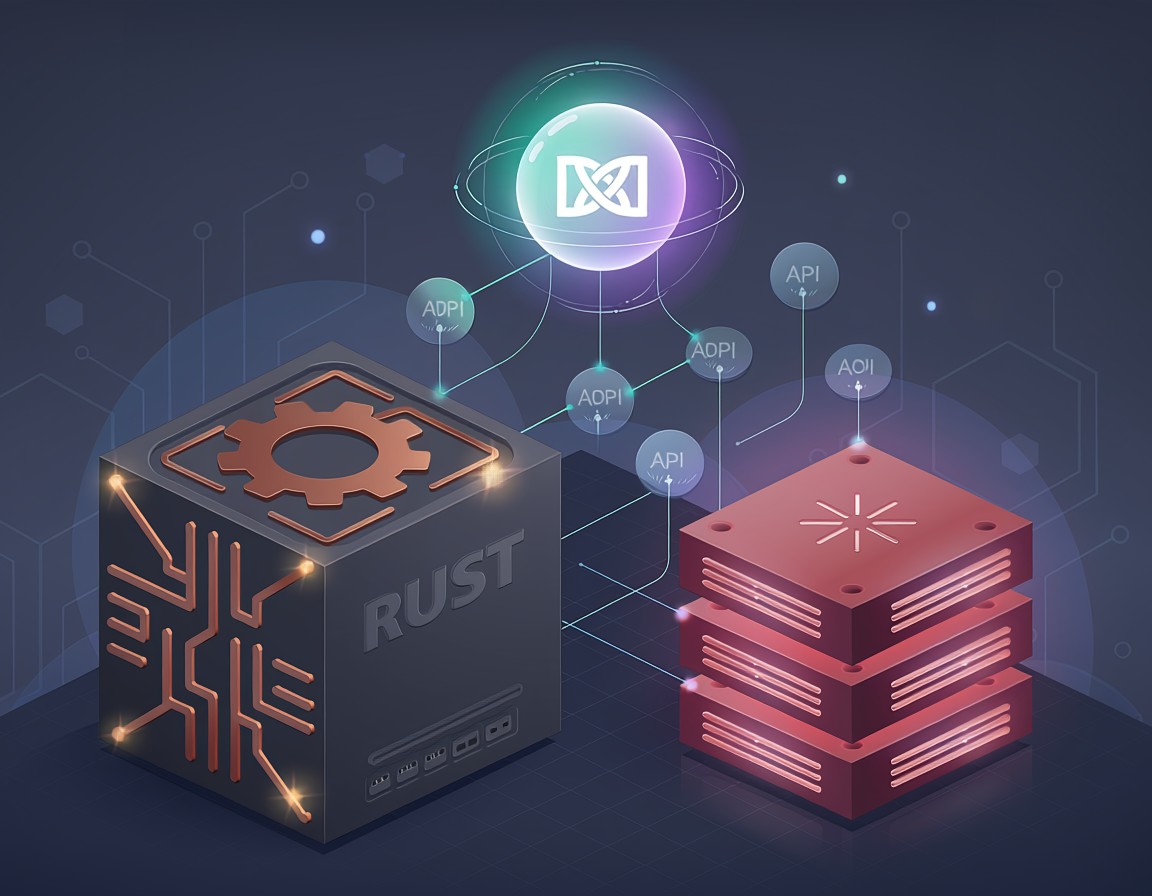
I’ve been seeing Lux mentioned more and more lately, so I took some time to look into it. It’s a Redis-compatible server written in Rust, and there are claims that it’s up to 5.6x faster.
But honestly, what stood out to me wasn’t the performance — it was the image size. A 1MB Docker image is kind of wild.
Looking at how infrastructure is evolving:
- Containers keep getting heavier
- Cold starts are getting slower
- Costs keep creeping up
In that context, something this lightweight is definitely appealing from a DevOps perspective.
The Real Question: Is It Truly a Drop-in Replacement?
The biggest promise Lux makes is that you can swap it in for Redis without changing your code.
If that actually holds up, that’s a big deal.
Because in most systems:
- Redis is deeply embedded (caching, queues, sessions, pub/sub)
- Replacing it usually means significant refactoring
If Lux really works as advertised, you’re looking at something closer to:
- Spin it up
- Point your app to it
- Run tests
That said, there are some obvious questions:
- How complete is command compatibility?
- What happens in edge cases?
- How reliable is persistence and failover?
- Does it hold up under real production load?
This is where things still need real-world validation.
About the “Free” OpenAI API Workaround
There’s been some discussion about using a ChatGPT account as a workaround to access the OpenAI API.
To be clear:
- For testing: fine
- For side projects: maybe
- For production: absolutely not
This kind of approach:
- Can break at any time
- May violate terms of service
- Could result in account restrictions
The takeaway is simple: use it for quick experiments if you want, but don’t build anything critical on top of it.
Google’s “Wednesday Build Hour”
This is actually a good direction.
A lot of webinars are still just slide decks with little practical value. This format is different — it focuses on building things during the session.
For AI and cloud topics especially, that kind of hands-on approach is much more effective.
If you have the time, it’s probably worth checking out.
The Nasdaq Incident: Not Someone Else’s Problem
The recent Nasdaq outage is a good reminder of something we all know but tend to ignore.
Large systems don’t fail because of a single bug. It’s usually a combination of:
- Technical debt
- System complexity
- Accumulated design compromises
And realistically, most of our systems aren’t that different:
- There’s legacy code we don’t fully understand
- There are parts nobody wants to touch
- There are assumptions that haven’t been tested in a while
Incidents like this aren’t just news — they’re a prompt to look at our own systems more critically.
TL;DR
- Lux Lightweight and promising, but the real question is long-term stability and compatibility
- “Free” OpenAI API workaround Fine for experimentation, risky for anything serious
- Google Build Hour Practical, hands-on sessions that are actually useful
- Nasdaq incident A reminder that technical debt eventually catches up