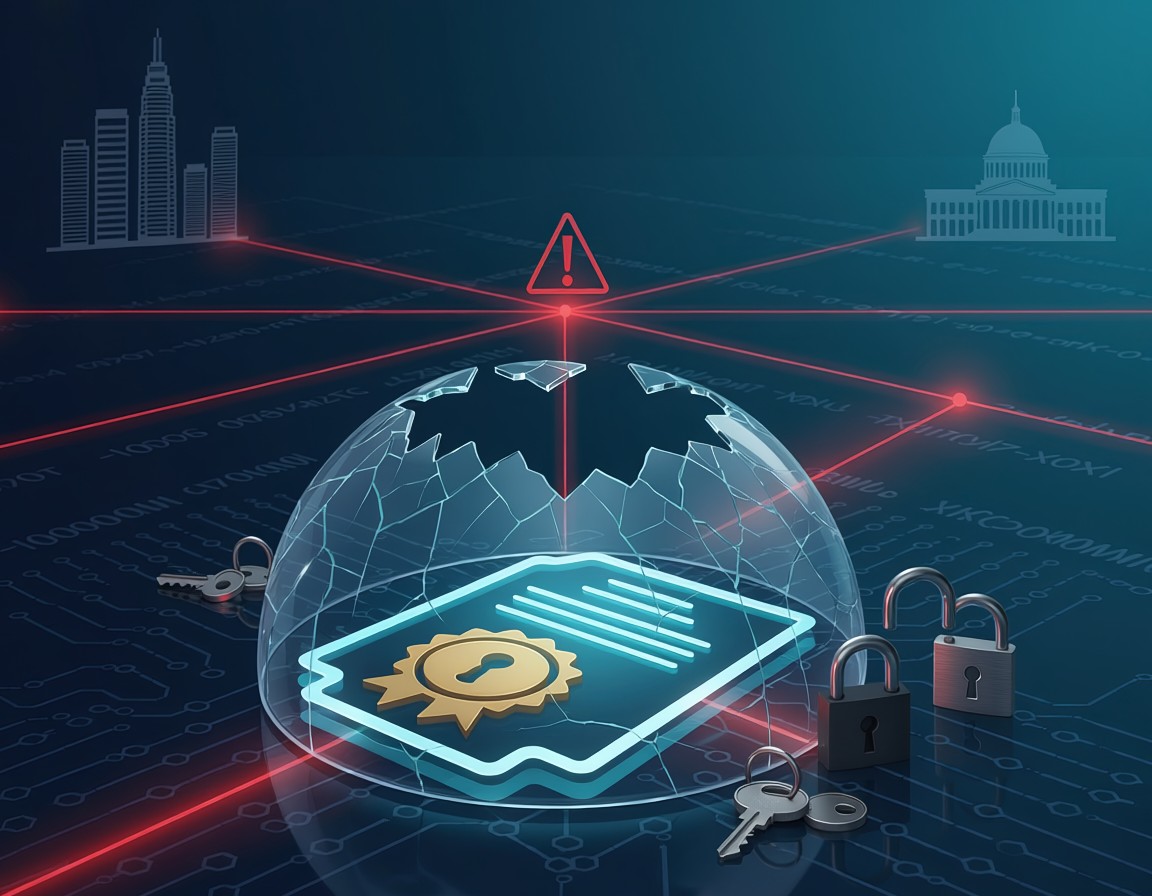
When Your Firewall Becomes a Breach Point: Engineering's Deeper Responsibility
The FortiGate Mess: When Your Firewall Becomes the Problem
No one was really surprised to see FortiGate in the news again.
Honestly, this kind of incident isn’t new. We’ve been through the same thing multiple times—only the vendor name changes.
But every time it happens, it reminds us of the same thing: we’re still treating security like a one-time setup.
In reality, it’s the opposite.
Security isn’t just a technical issue—it’s a problem with how we operate systems.
We Still Trust the Box Too Much
In most organizations, firewalls are almost sacred.
- They’re expensive.
- They’re complex.
- They’re “security devices.”
So people just trust them.
That’s where the problem starts.
These devices sit at the deepest, most connected part of your network—the exact place you assume is protecting everything.
Which means if they get compromised, it’s game over.
This isn’t like a web server getting hacked. This is direct access to your internal network.
Patching? Of Course. But That’s Not a Strategy
Yes, you need to patch. That’s basic.
But here’s the mistake people keep making:
“If we patch fast enough, we’re safe.”
No, you’re not.
Patching is always late.
- Attacks often start before patches are available.
- Zero-days don’t wait.
- Sometimes you can’t patch immediately.
So let’s be clear:
Patching is a reaction, not a strategy.
The Real Problem: Your Internal Network Is Too Open
This is where things usually fall apart.
Once the firewall is breached, everything becomes easy.
- Direct access to databases.
- Internal APIs exposed.
- Storage systems wide open.
This isn’t just a security issue.
It’s a network design problem.
What You Actually Need to Do
1. Segment Your Network (For Real)
“We’re segmented” usually just means VLANs.
That’s not enough.
You need:
- Service-level isolation
- Permission-based segmentation
- Strict access paths
The goal is simple:
If something is breached, it should stop there.
2. Stop Trusting Internal Traffic
This mindset still hasn’t gone away.
- “It’s internal, so skip auth.”
- “It’s internal, so allow it.”
- “It’s internal, so it’s safe.”
All of that needs to go.
Zero Trust isn’t a trend. It’s reality.
3. If Your Admin Interface Is Public, You’re Already Done
This is more common than people admit.
- Admin panels exposed to the internet.
- No IP restrictions.
- No VPN protection.
That’s not a hack.
That’s just leaving the door open.
Logs Are Useless If No One Looks at Them
Everyone collects logs.
Almost no one actually watches them.
What matters is this:
- Config changes at odd hours.
- Strange outbound traffic.
- Access patterns that don’t make sense.
If you can’t detect this, you might be compromised for months without knowing.
A SIEM doesn’t help if it’s just storing data.
Security Is Not a Team—It’s a Property
This idea still comes up too often:
“Isn’t that the security team’s job?”
No.
- Developers introduce vulnerabilities.
- Infrastructure exposes them.
- Operations misconfigures things.
Security isn’t owned by a team.
It’s built into everything.
If You’re Configuring Security Manually, You Will Break It
The moment you rely on manual configuration, you introduce risk.
- Missed rules.
- Inconsistent environments.
- No audit trail.
Without automation, security doesn’t scale.
The Bottom Line: If You Buy It, You Own It
Whether it’s FortiGate or anything else, buying a solution is just the beginning.
You still need:
- Continuous validation
- Monitoring
- Detection
- Response
Security isn’t something you finish.
It’s ongoing, and it requires constant attention.
One-Line Takeaway
A firewall isn’t just a shield. It can become your most dangerous entry point.